Solid wood vs veneer: differences, benefits & care explained
Solid wood, veneer, or wood-look finishes — when planning a kitchen, you’ll quickly come across a wide range of material terms. This guide clearly explains the differences, highlights the pros and cons, and offers practical care tips. You’ll also learn about the solutions offered by nolte Küchen and nolteneo.
What is real wood?
Solid wood means: The material is made of natural wood. There are two types:
- Solid wood: made entirely of wood
- Real wood veneer: a thin layer of real wood on a backing material
Real wood stands for authenticity and uniqueness — every front is one-of-a-kind and develops its own character over time.
Characteristics of real wood
- Natural grain – every piece is one of a kind
- Warm, high-quality appearance
- Breathable and vibrant
- More sensitive to moisture and UV light
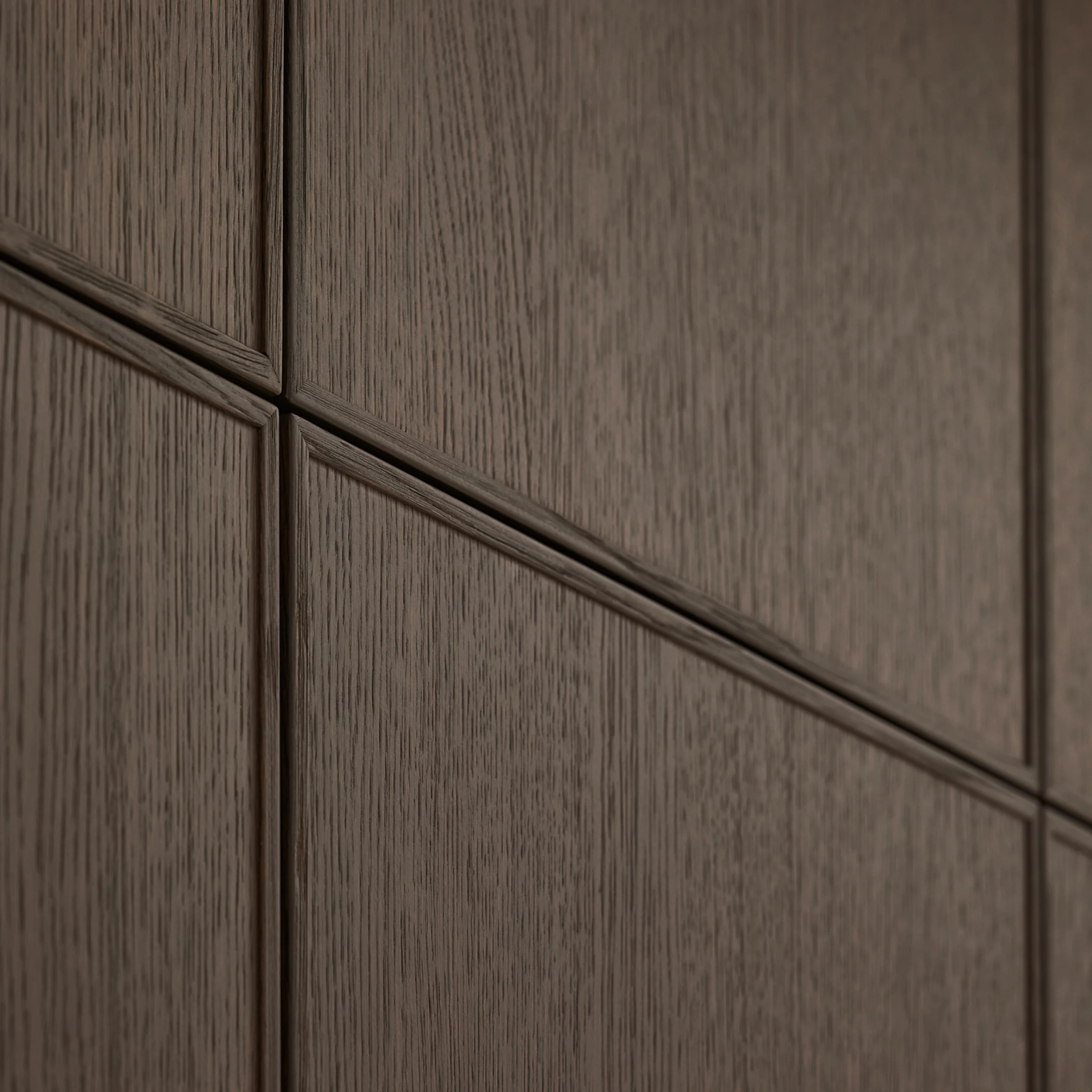
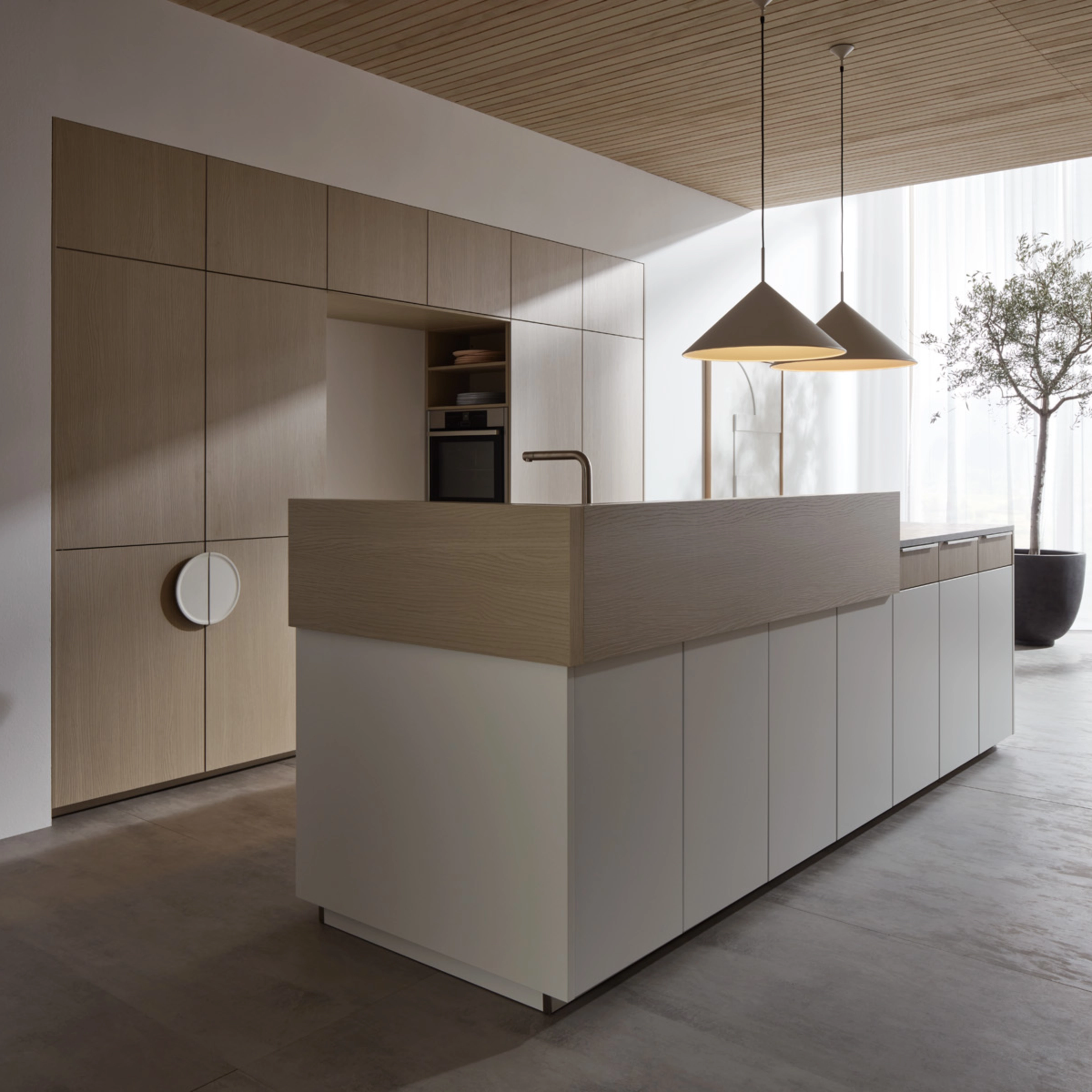
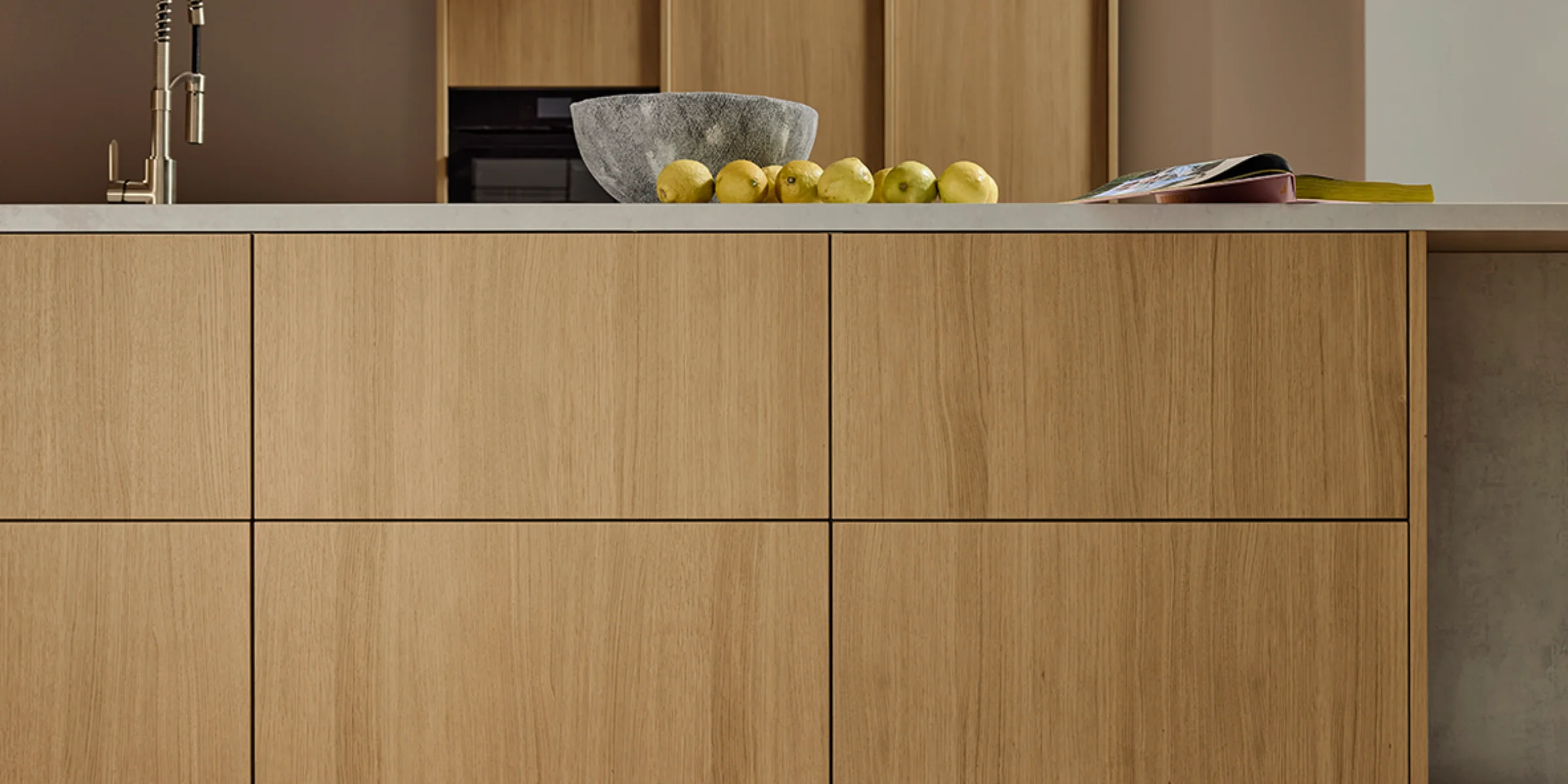
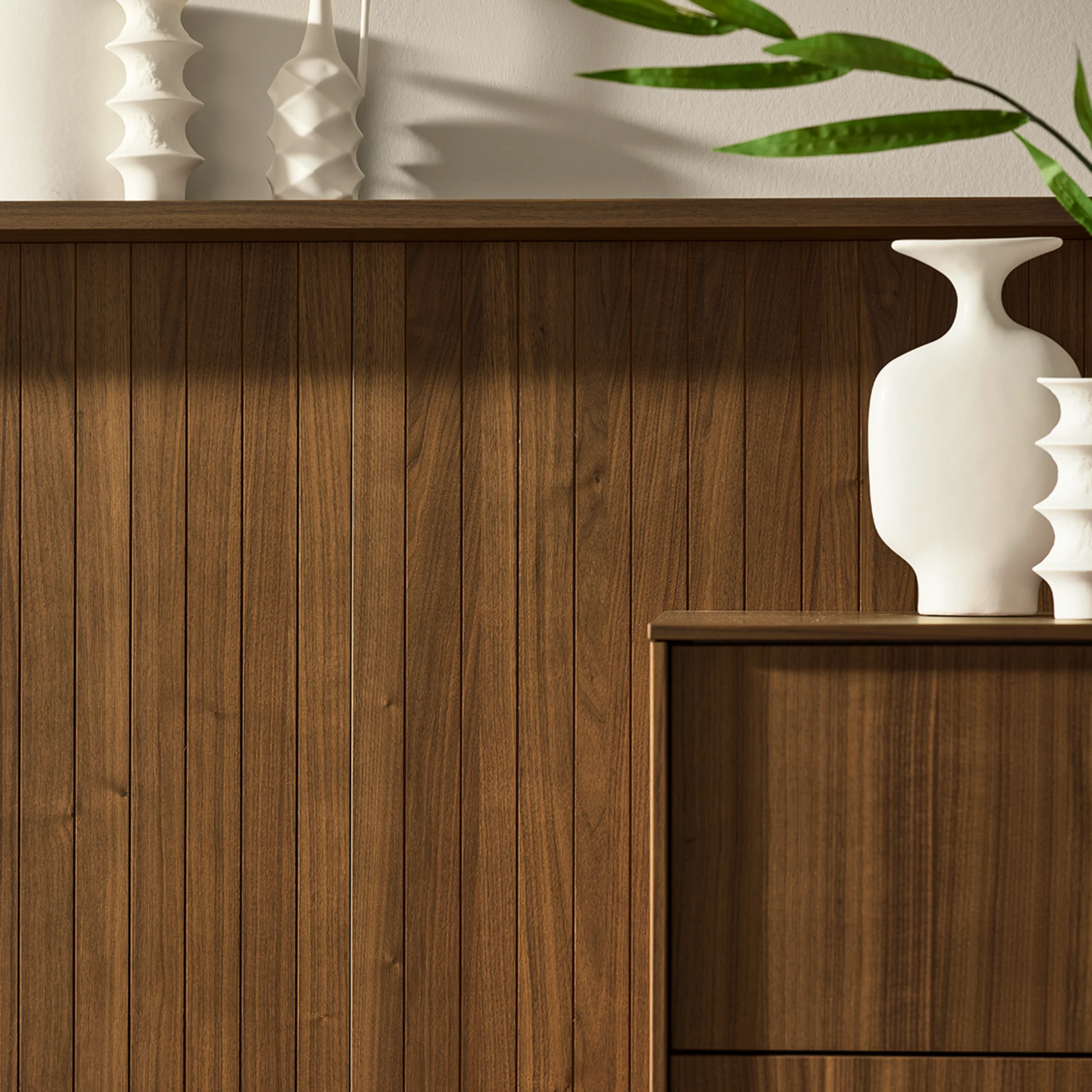
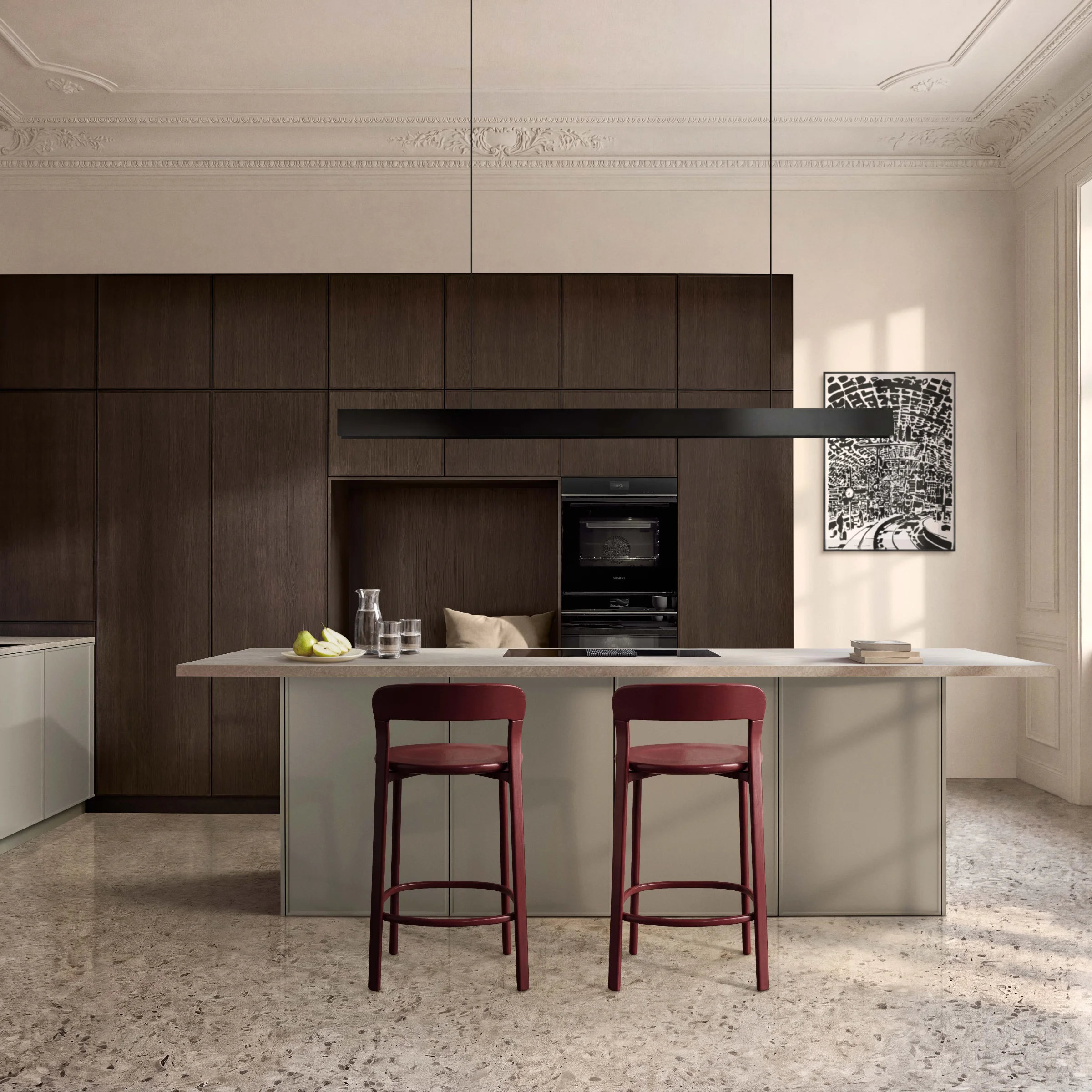
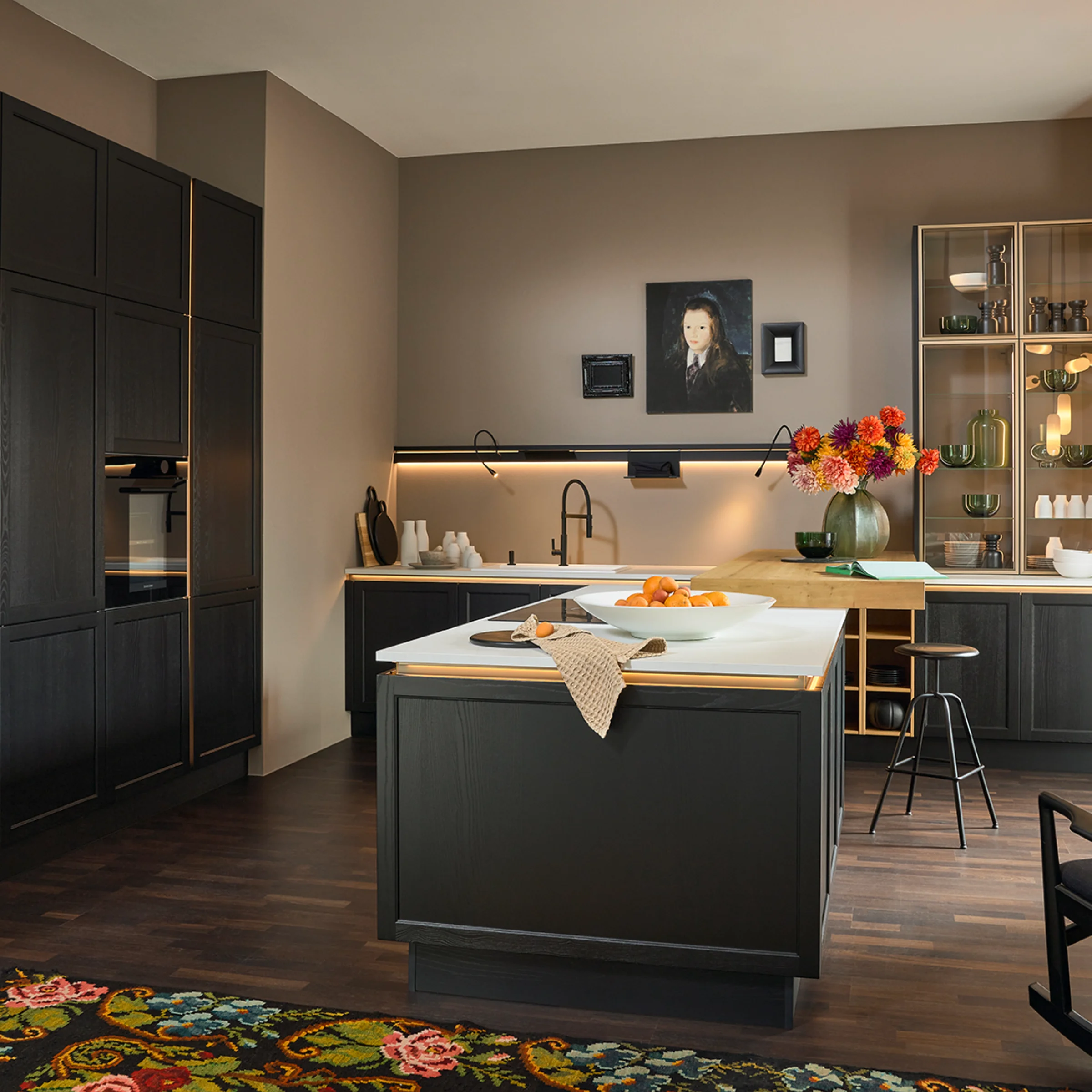
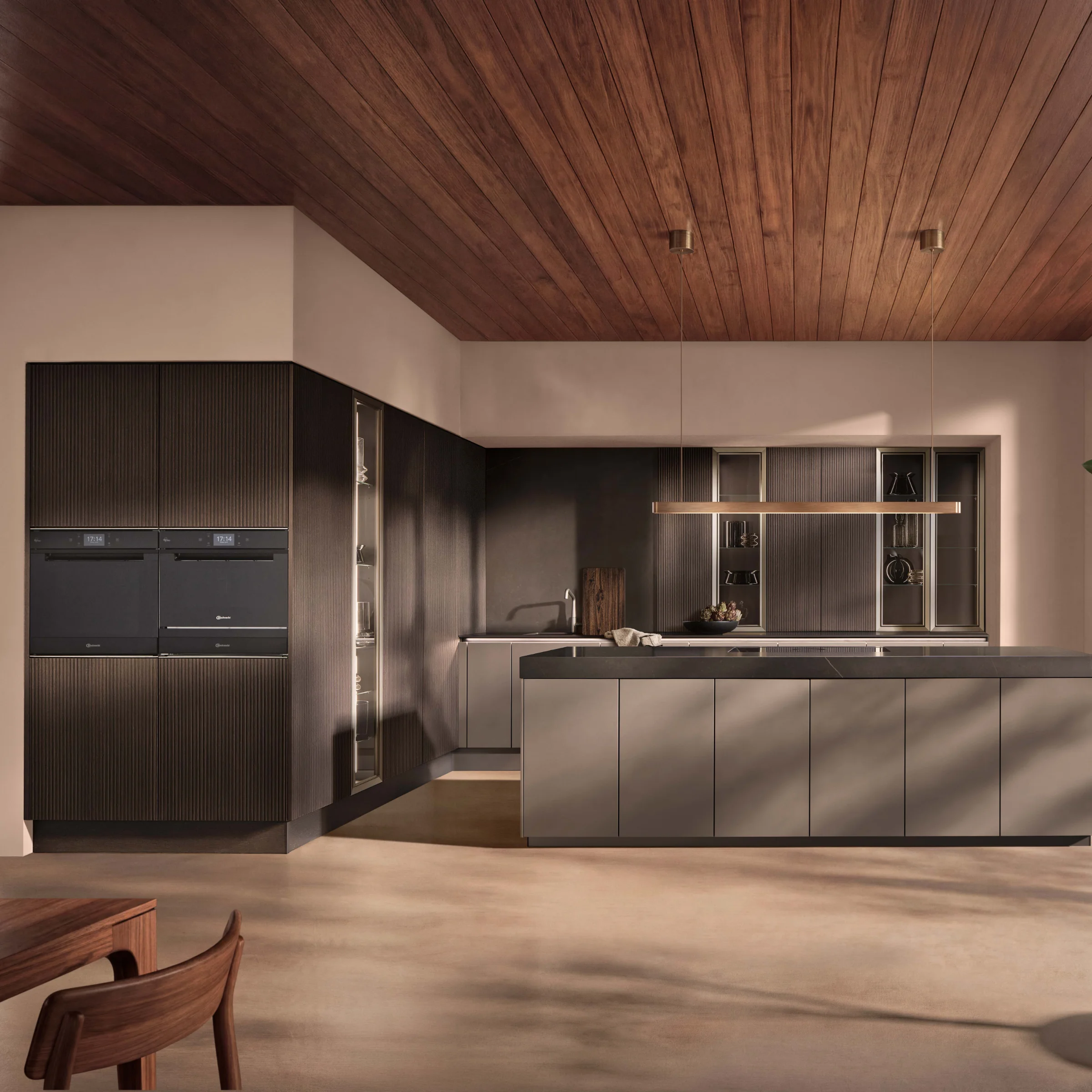
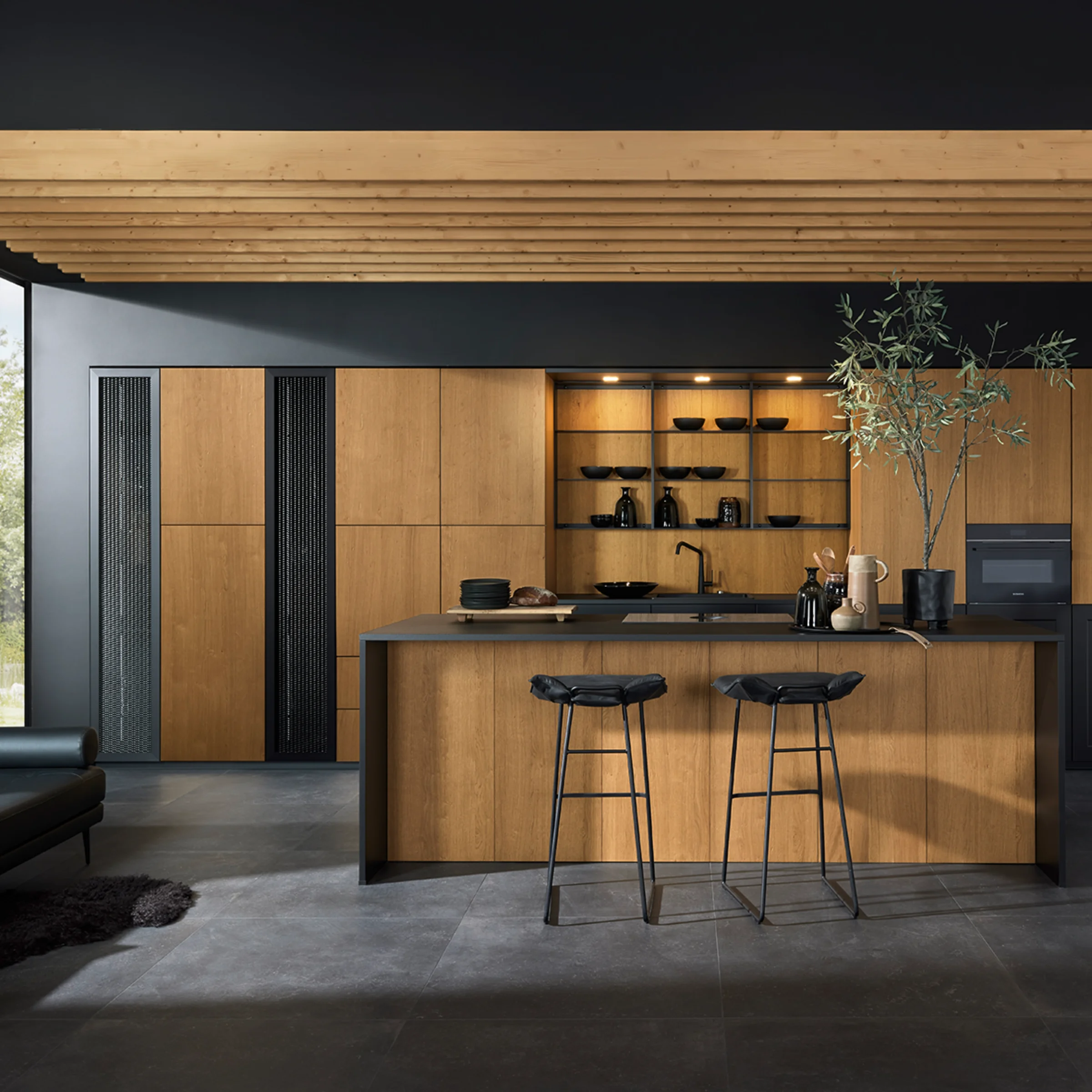
Solid wood cabinet fronts at nolte Küchen & nolteneo
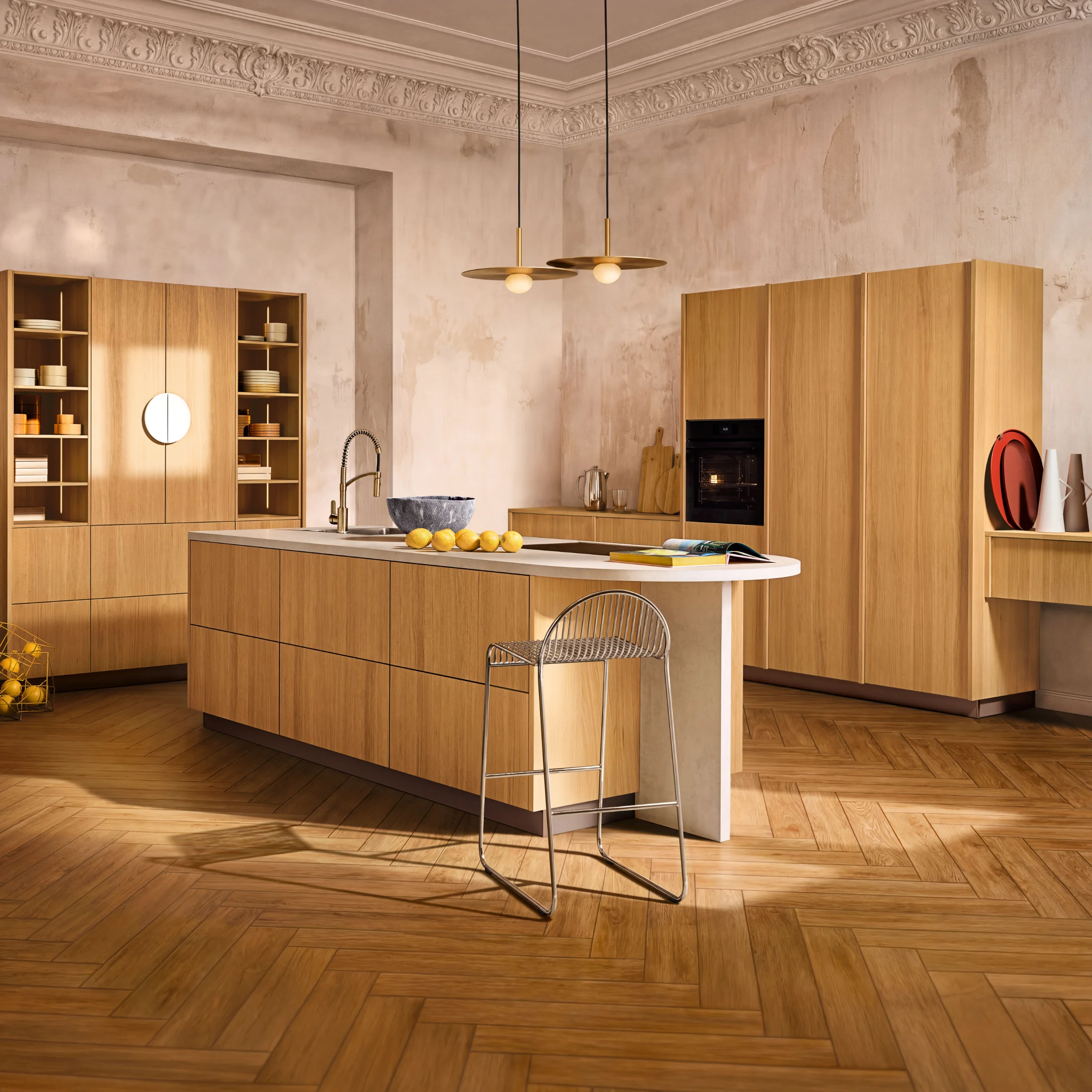
What is veneer?
Veneer is a thin layer of real wood that is applied to a core board.
Structure (simplified):
- Base panel (e.g., MDF or particleboard)
- Real wood veneer
- Stain and lacquer finish
Advantages of veneer:
- Authentic wood feel with thinner material
- More dimensionally stable than solid wood
- Resource-efficient (less wood consumption)
- Ideal for modern kitchen cabinet fronts
At nolte, veneer is additionally finished with lacquer, creating a durable surface.
Solid Wood vs. Veneer: The Differences
Solid wood
- made entirely of wood
- very natural look
- a living material
- requires a bit more maintenance
- durable and high-quality
Veneer
- real wood veneer on a core board
- natural look
- dimensionally stable
- easy to maintain
- resource-efficient use of materials
Conclusion:
Both solid wood and veneer have their own strengths. While solid wood stands out for its natural look and uniqueness, veneer excels in terms of dimensional stability and suitability for everyday use.
Wood Types at nolte Küchen & nolteneo
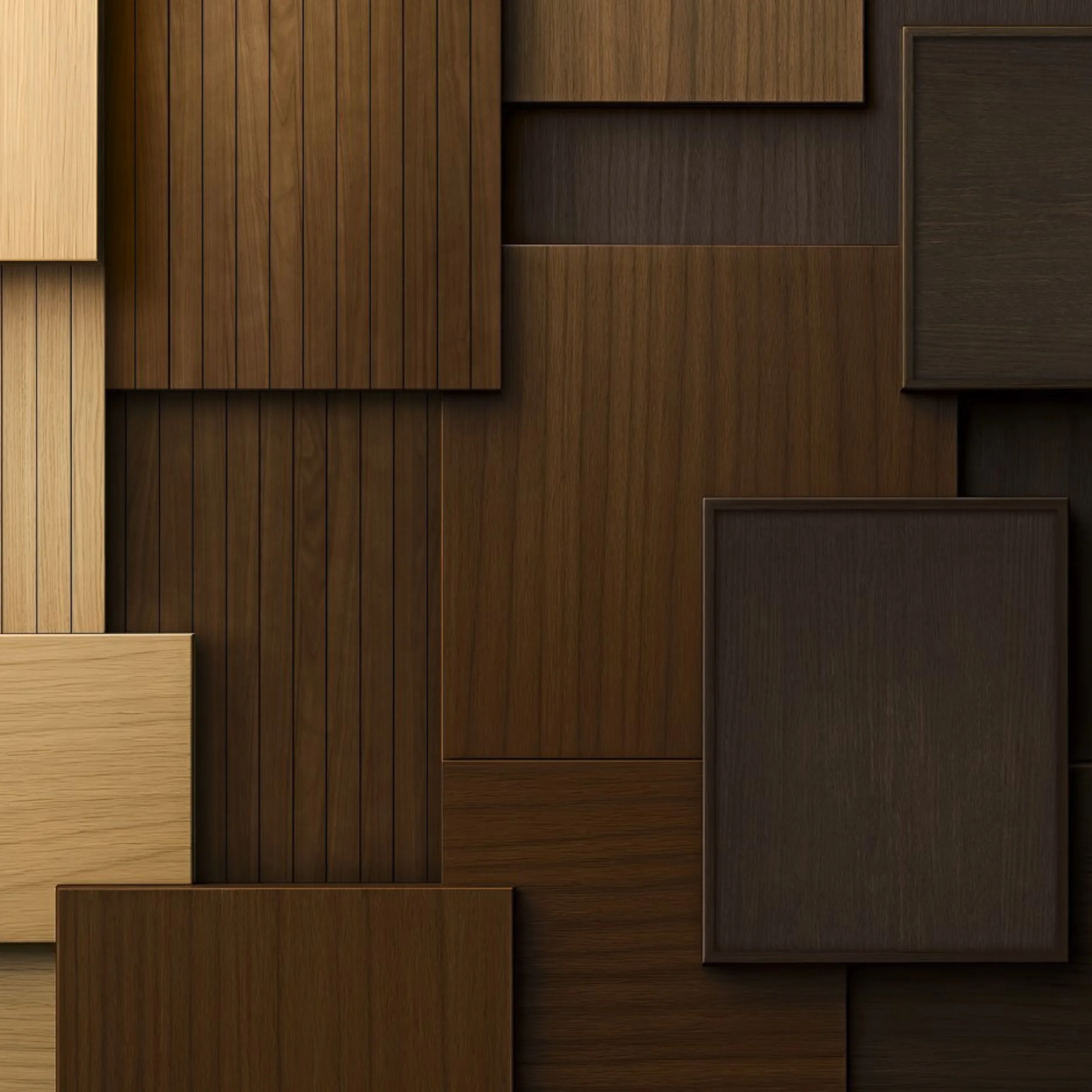
nolte and nolteneo offer carefully selected wood finishes and veneers for a variety of design styles — from light and modern to warm and elegant. Typical options include Bianco Oak, Tobacco Oak, and Rosado Walnut, which open up a wide range of design possibilities for the kitchen.
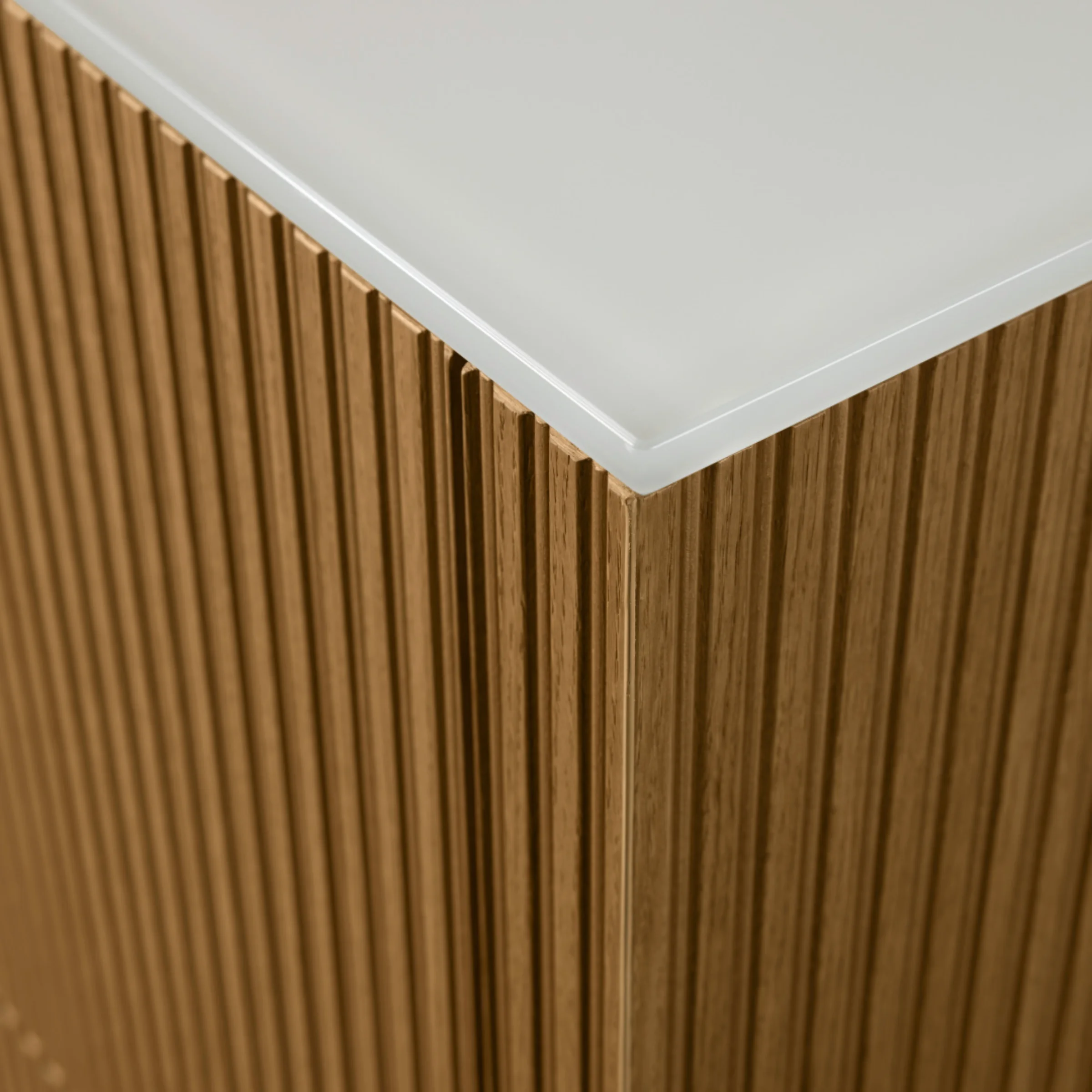
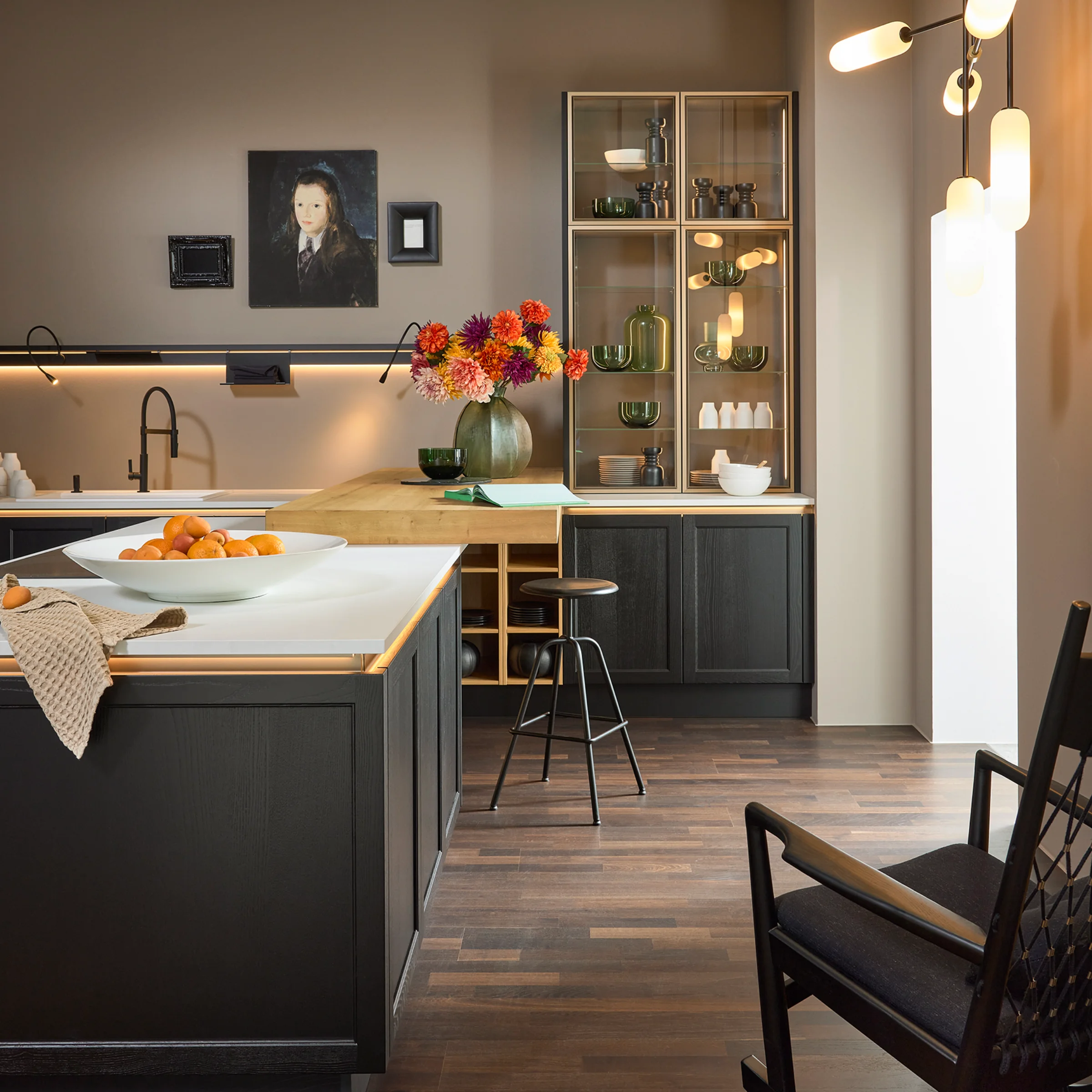
With nolteneo’s real wood concept, wood becomes a deliberate design element: Three different front variants — neoFLAT (smooth), neoLINE (with a fine grooved texture), and neoSLIM (delicate framed front) — add individual accents and enable flexible kitchen planning. Combined with the selected wood tones, the result is a collection that harmoniously blends naturalness with modern kitchen design.
Particularly in the nolteneo range, wood types are deliberately used as a design statement — often combined with acrylic glass, lacquer, or country-style fronts.
With nolteneo’s real wood concept, wood becomes a deliberate design element: Three different front variants — neoFLAT (smooth), neoLINE (with a fine grooved texture), and neoSLIM (delicate framed front) — add individual accents and enable flexible kitchen planning. Combined with the selected wood tones, the result is a collection that harmoniously blends naturalness with modern kitchen design.
Particularly in the nolteneo range, wood types are deliberately used as a design statement — often combined with acrylic glass, lacquer, or country-style fronts.
What does “soft matte” mean when referring to wood surfaces?
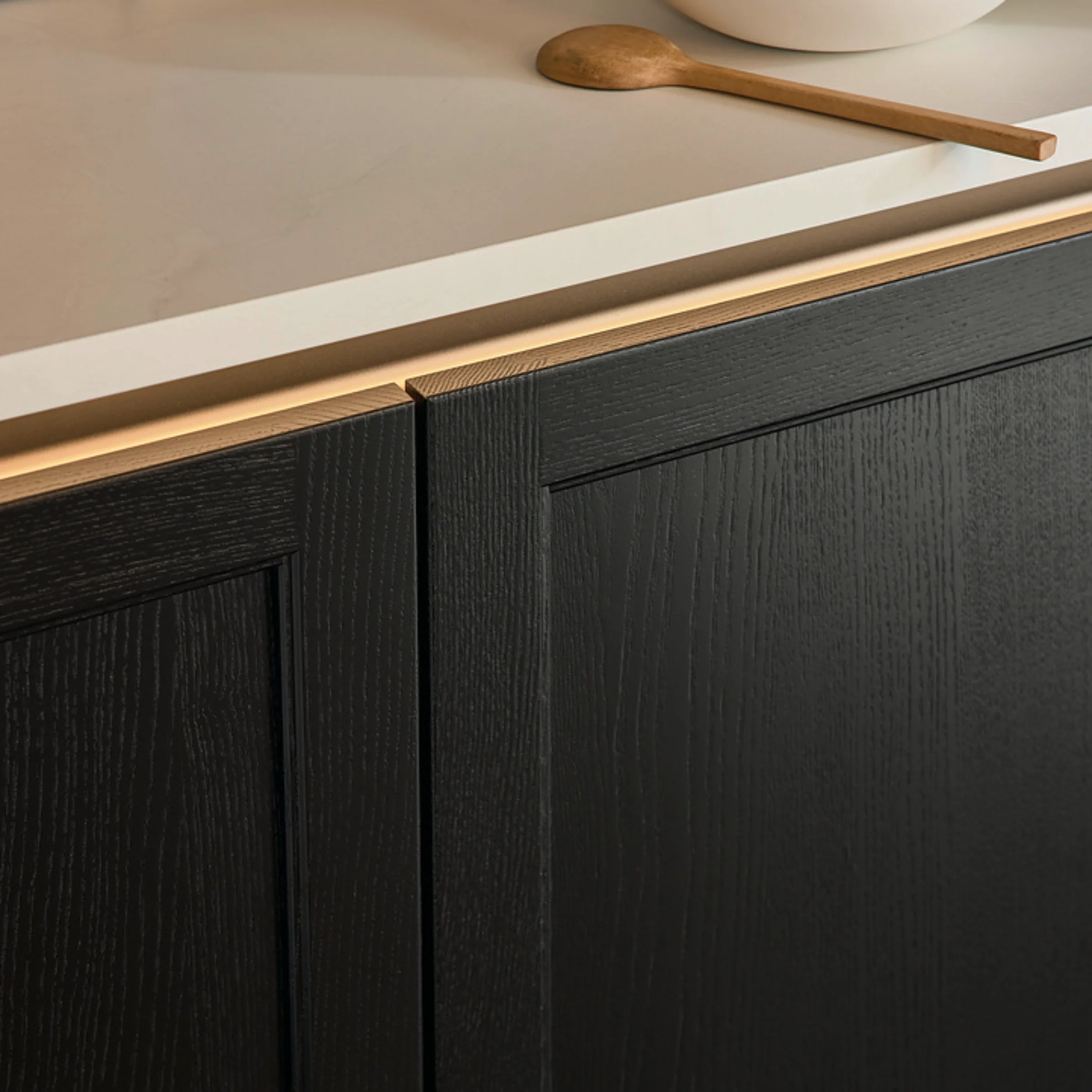
Many nolte cabinet fronts combine wood with modern matte lacquer finishes.
Soft-matte finishes:
- velvety feel
- minimizes fingerprints
- modern, understated look
Example: Combinations of wood finishes and soft-matte lacquers create particularly elegant kitchen designs.
My nolte
Discover even more kitchen ideas featuring wood
Looking for more inspiration for your kitchen with wood-paneled cabinets? On our “Gather Ideas” page, you’ll find plenty of kitchen ideas featuring wood—from modern to natural. Simply save your favorites in your personal, free My nolte account and create your own custom mood board. This way, you can always keep your dream kitchen in mind and easily share your ideas with family, friends, or your dealer via link, email, or social media.


Care of Solid Wood & Veneer
To keep your kitchen looking beautiful for years to come, proper care is essential. At the same time, it’s important to remember that wood is a natural product and reacts to environmental factors such as light, humidity, and temperature. Changes in color or texture are therefore completely natural and may occur regardless of how well you care for it.
Dos
Recommended:
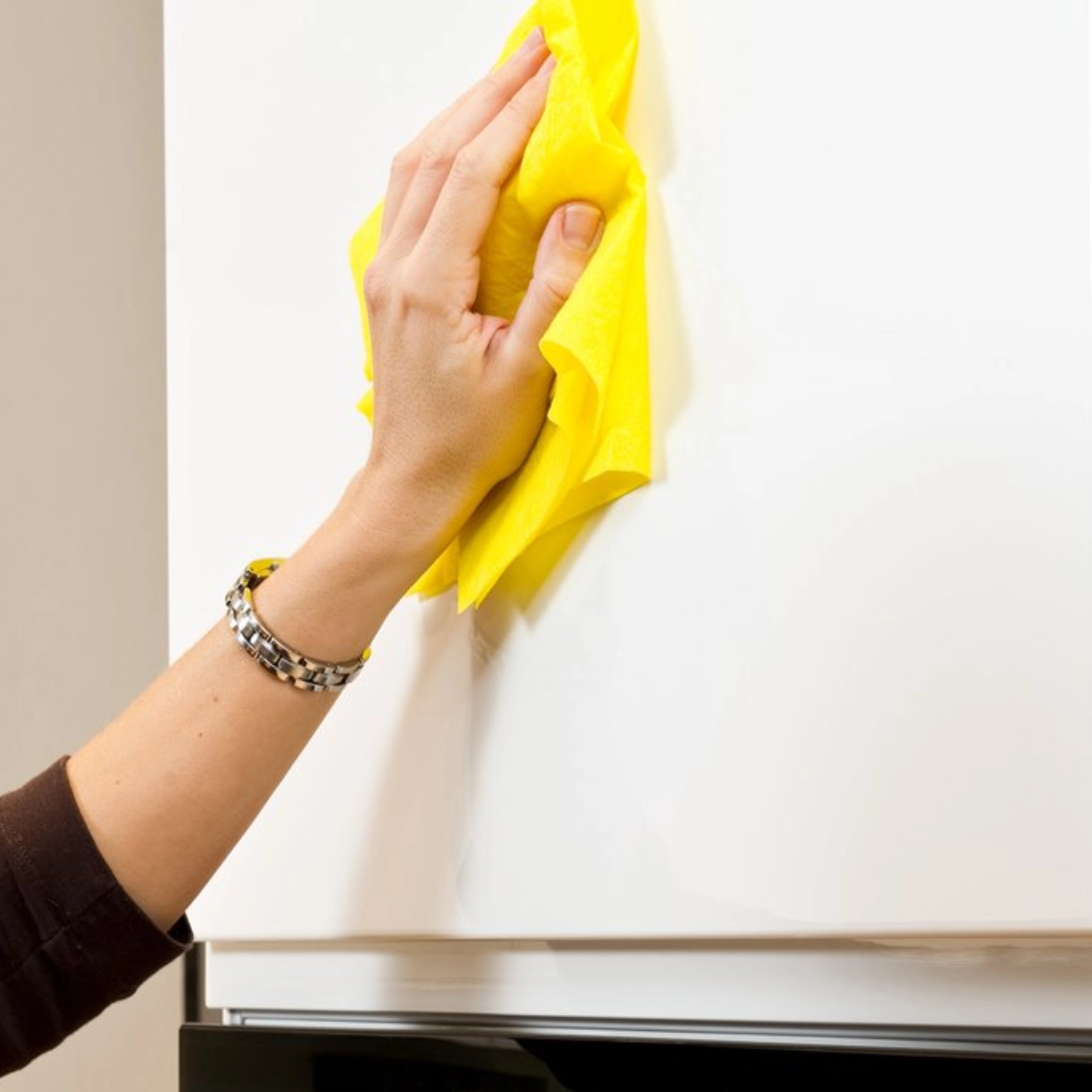
- Clean with a slightly damp cloth
- Use mild cleaning agents
- Use soft cloths
- Regular maintenance
- Minimize direct sunlight as much as possible
Important: Thanks to their finish, nolte surfaces are already well protected—but care is still essential.
Don'ts
Avoid:
- Harsh cleaners
- Abrasive cleaners
- Microfiber cloths with high friction
- Standing water
- Excess moisture
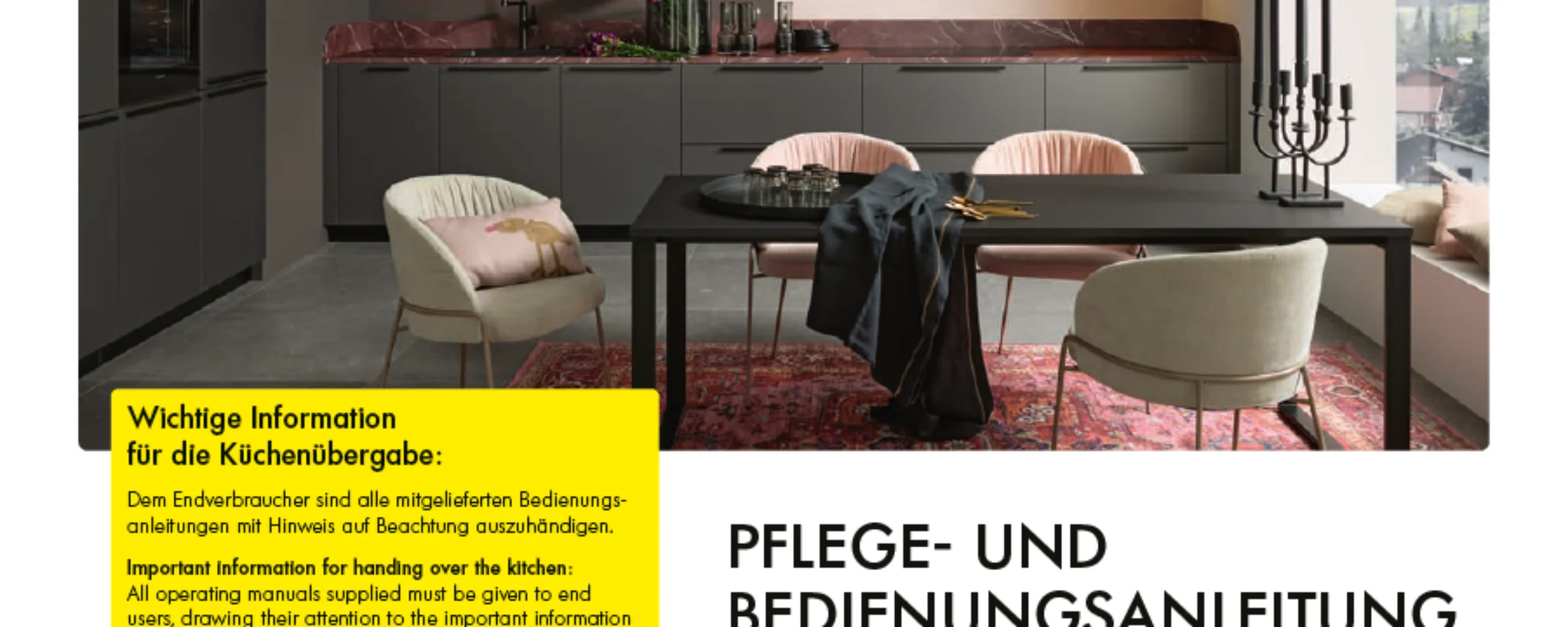
Download the care guide for your nolte kitchen
Proper care is essential to ensure that your kitchen with wood-paneled fronts stays beautiful for years to come. In our detailed care guide, you’ll find all the important tips for cleaning, protecting, and maintaining the value of your nolte kitchen over the long term.
Sustainability: Using Wood Consciously
Whether solid wood or veneer — at nolte Küchen, the focus is on the responsible use of resources. Veneer makes particularly efficient use of wood, as only a thin layer of real wood is used, while solid wood impresses with its durability and natural quality.
With the solid wood concept from nolteneo, nolte demonstrates how design, material quality, and sustainability can be combined: different front options and selected wood tones enable custom kitchen solutions that are designed to be both aesthetically pleasing and resource-efficient. This creates a balance of natural charm, modern design, and mindful use of materials.


Which surface is right for me?
- natural & full of character → solid wood
- balanced & practical for everyday use → veneer
- modern & minimalist → softmatt lacquer
- design-oriented (premium) → nolteneo concepts
FAQs
FAQ – Frequently Asked Questions About Wood in the Kitchen
Conclusion: Natural beauty meets functionality
Wood brings warmth, a sense of comfort, and quality to every kitchen. With modern veneer solutions, nolte Küchen combines the natural look of wood with high practicality for everyday use. The nolteneo collection, in particular, demonstrates just how versatile wood can be today — from minimalist to luxurious.
Discover tips and tricks
Discover many more tips and tricks in the nolte magazine.