
Nolte Logo

Verified Environmental and Climate Standards

Energy Efficiency and Renewable Energy at Our Production Sites.

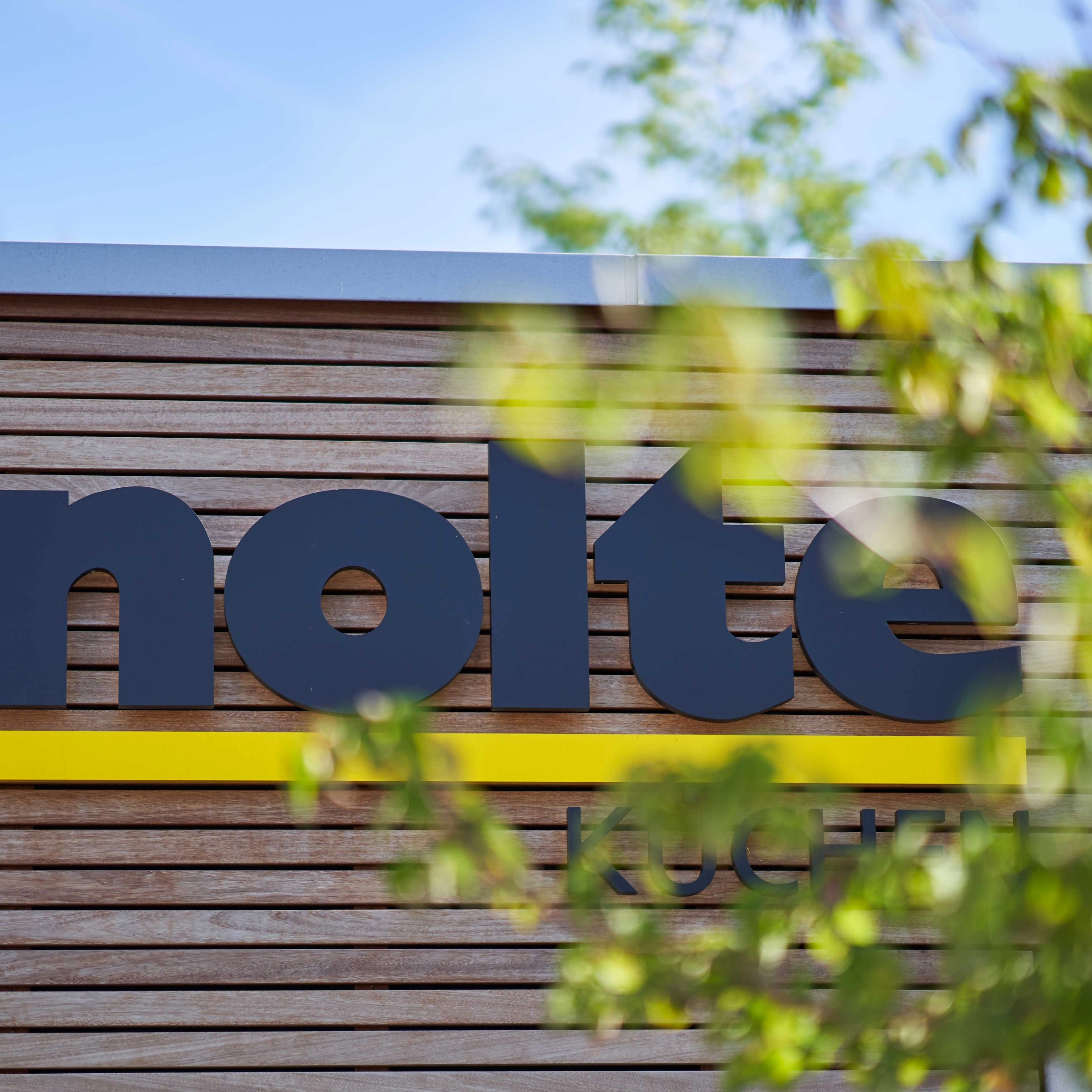
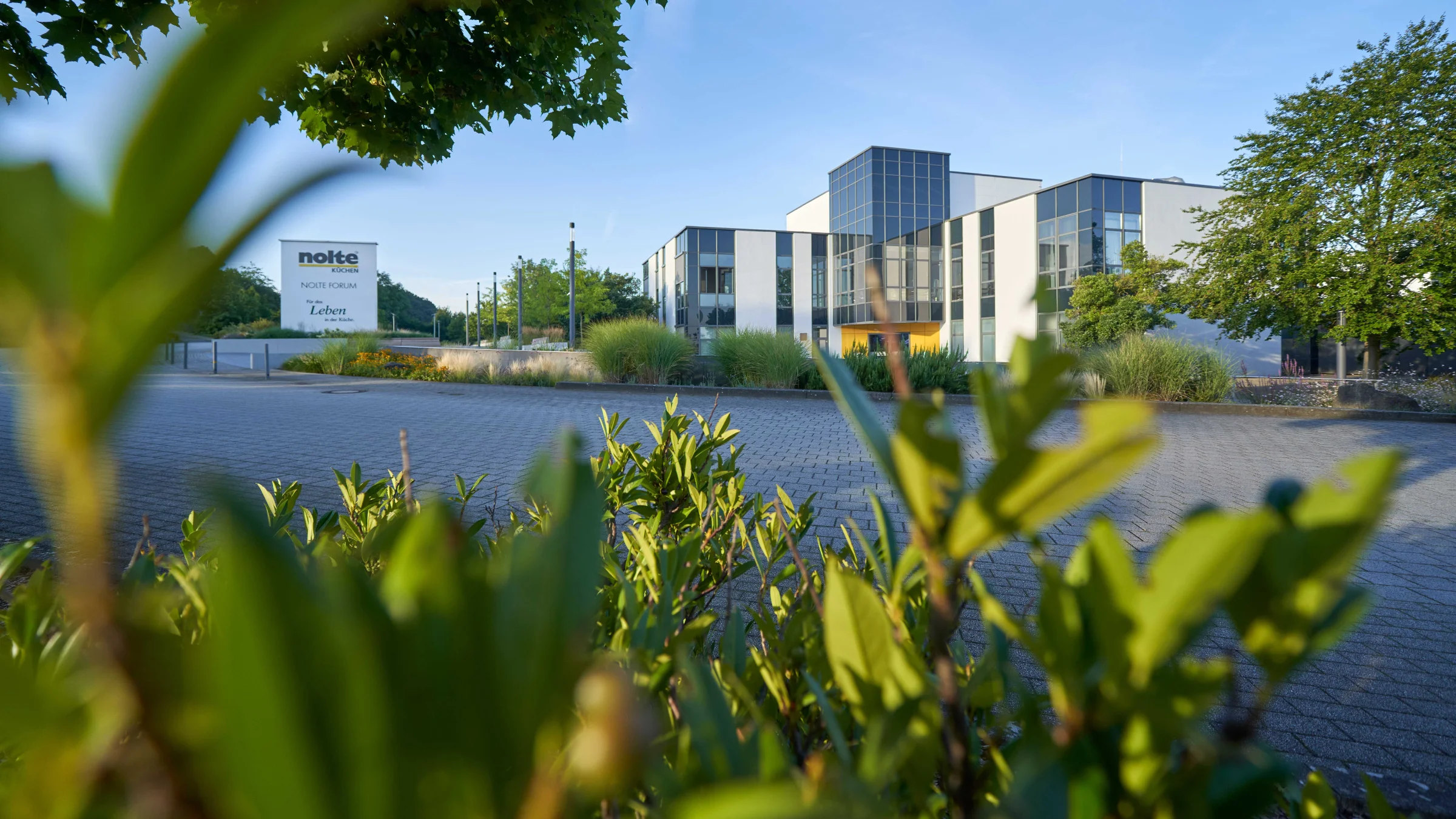
The image shows a modern building with a glass facade and a sign reading "Nolte Kitchen".

Focus on Environmental and Climate Protection

Fewer emissions, greater efficiency.

When it comes to protecting the environment and the climate, we rely on verifiable metrics and certified management systems at our production sites in Löhne and Melle to gradually increase energy efficiency, advance electrification, and reduce our reliance on fossil fuels. By calculating our greenhouse gas emissions, we are laying the groundwork to systematically analyze our impact on the climate, identify levers for reduction, and develop measures to lower our carbon footprint in the medium and long term. We transparently present our environmental and climate metrics in our comprehensive sustainability report in accordance with European reporting standards (ESRS).

Efficient Production

with a systematic approach and our own energy

At our production sites in Melle and Löhne, we use 100% electricity from renewable sources and rely on modern, energy-efficient plant technology for the manufacture of our products. We cover approximately 97% of our heating needs using wood waste from our own production. As part of our DIN EN ISO 50001-certified energy management system, we are gradually optimizing our energy use. In addition, we are continuing to expand our photovoltaic systems on suitable rooftops and generating more of our own electricity.
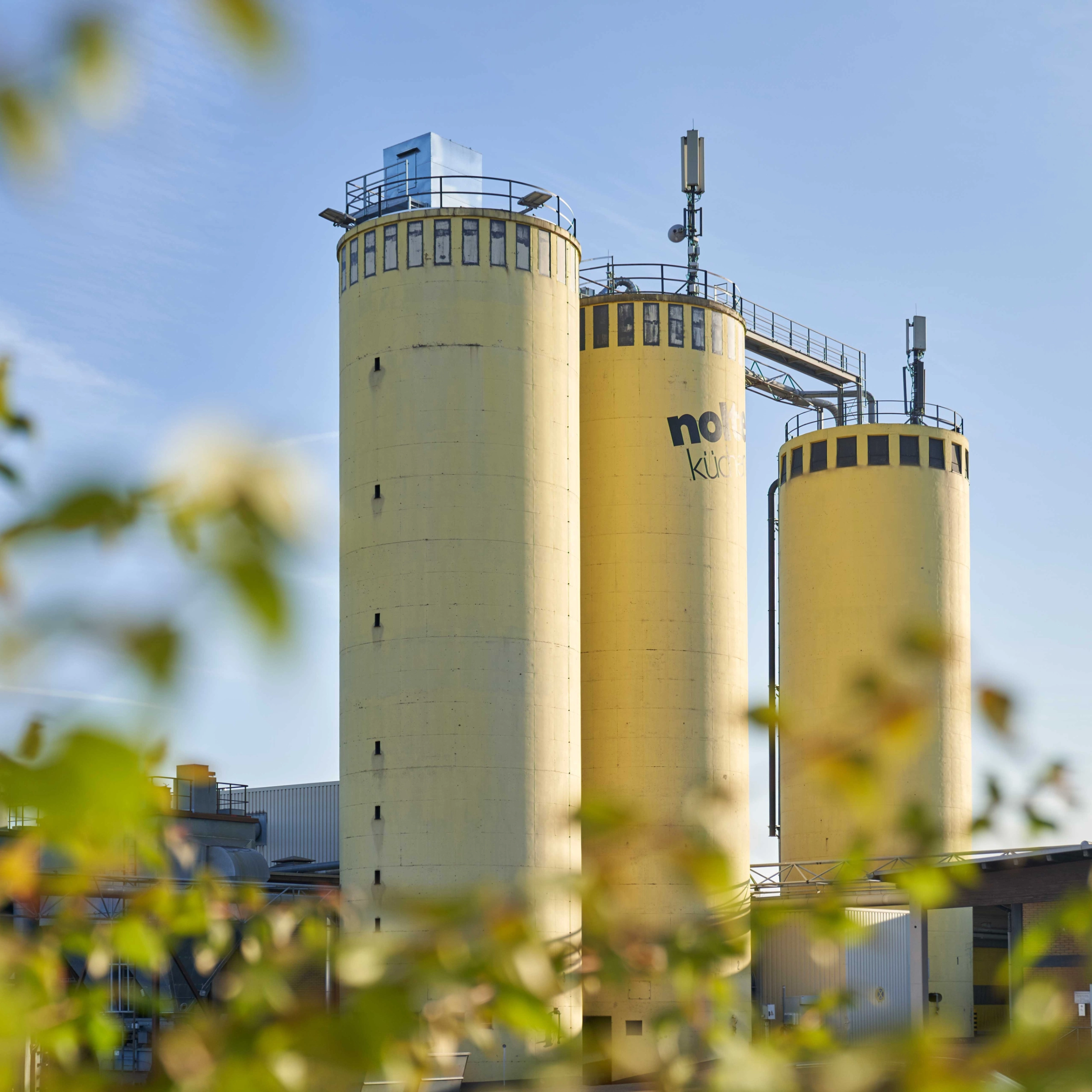
Three large yellow silos with "Nolte Kitchen" written on them stand against a clear sky.

nolte GlossaryHow are greenhouse gas emissions accounted for?

To measure and manage emissions transparently, international standards (such as the Greenhouse Gas Protocol) categorize greenhouse gases into three scopes:

Scope 1 (Direct Emissions): These are generated directly at our sites through the combustion of fossil fuels—for example, by production facilities, heating systems, or our vehicle fleet.

Scope 2 (Indirect Energy Emissions): Theseare generated during the production of purchased electricity or heat used for our own operations.

Scope 3 (Supply Chain & Product Life Cycle): Indirect emissions in the upstream and downstream value chain, ranging from the extraction of raw materials—such as wood—through transportation and use of the products to end-of-life disposal.

You can find the detailed greenhouse gas inventory for Nolte Küchen—including our reported Scope 1, Scope 2, and Scope 3 emissions—presented transparently in our latest sustainability report.

Targeted Decarbonization of Our Sites Based on the Greenhouse Gas Footprint for nolte Küchen

A key component of our climate strategy is to reduce direct and energy-related greenhouse gas emissions (Scope 1 and 2) by 50% by 2030—compared to the base year of 2019. We offset the remaining operational site emissions through verified Gold Standard climate protection projects.

To also incorporate the upstream and downstream value chain, we have been gradually tracking material Scope 3 emissions (such as those from raw materials and logistics) since 2023. Based on this data, we are progressively developing targeted measures to reduce emissions along the entire value chain.

Electrification of the vehicle fleet and incentives for low-emission commutes.

As part of our internal mobility policy, we actively encourage the transition to alternative powertrains at our locations. Since May 2023, we have been gradually converting our fleet to all-electric company vehicles and providing company-owned charging infrastructure for this purpose.

In addition, we support our employees in using alternative modes of transportation for their commutes—including e-bike leasing and carpooling initiatives.

An electric car at an outdoor charging station, surrounded by trees. Nolte Kitchen.

Regional forest conservation initiatives and insect protection at the site.

For nolte Küchen, environmental and climate protection also means actively involving our workforce.

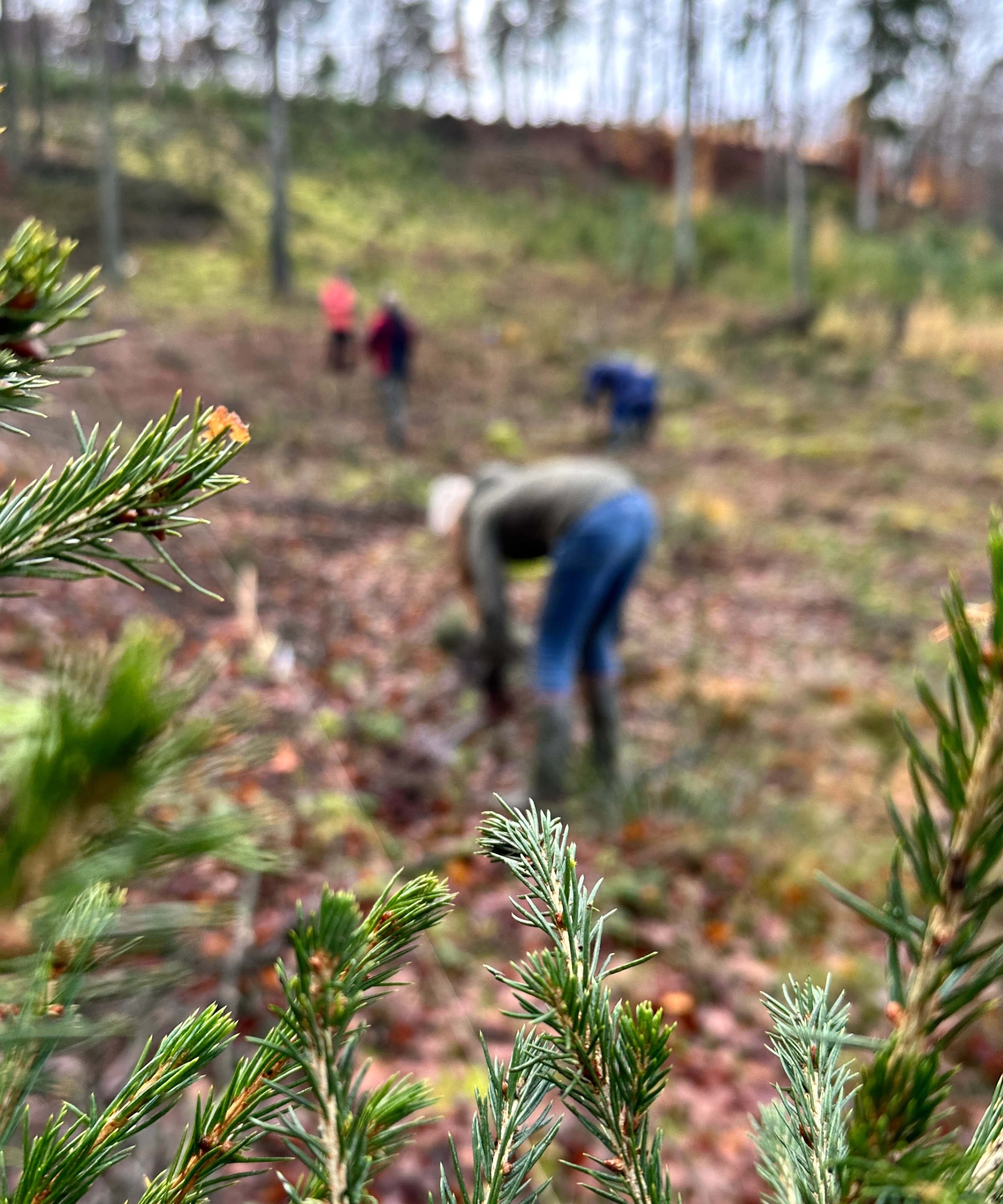
Regional Forest Conservation Efforts: As part of voluntary corporate citizenship initiatives, our employees actively support regional reforestation projects in the areas surrounding our locations.

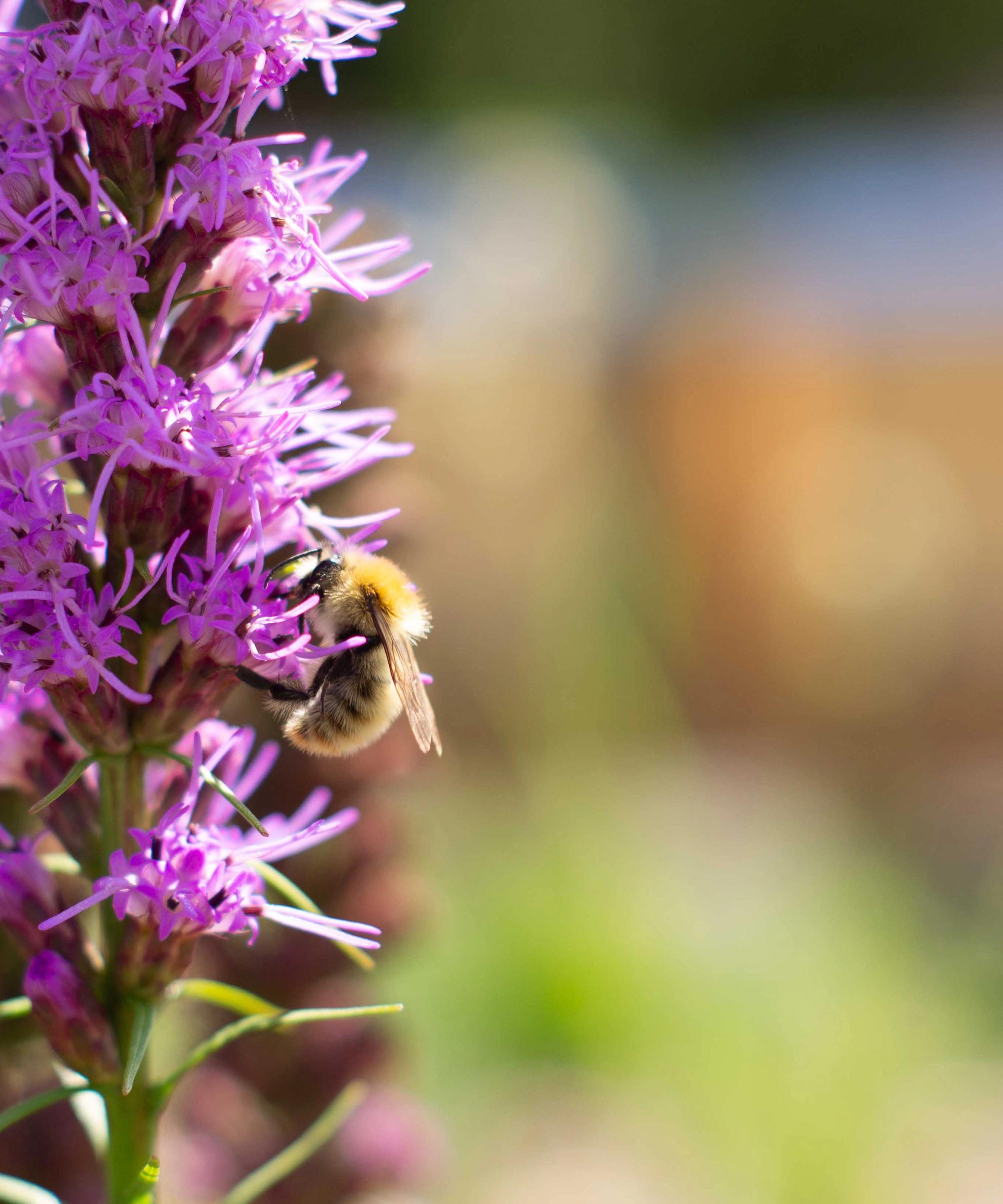
Insect protection on company grounds: Since 2023, we have provided a protected space for several beehives on our company grounds in Löhne as a local contribution to species conservation in the area.

A bee sits on a purple flower in the sunshine, Nolte Kitchen.

2025 Sustainability Report

With this sustainability report, we invite you to take a look at our achievements to date and our ambitious plans for the future.

Download Section

Sustainability Reports from Previous Years